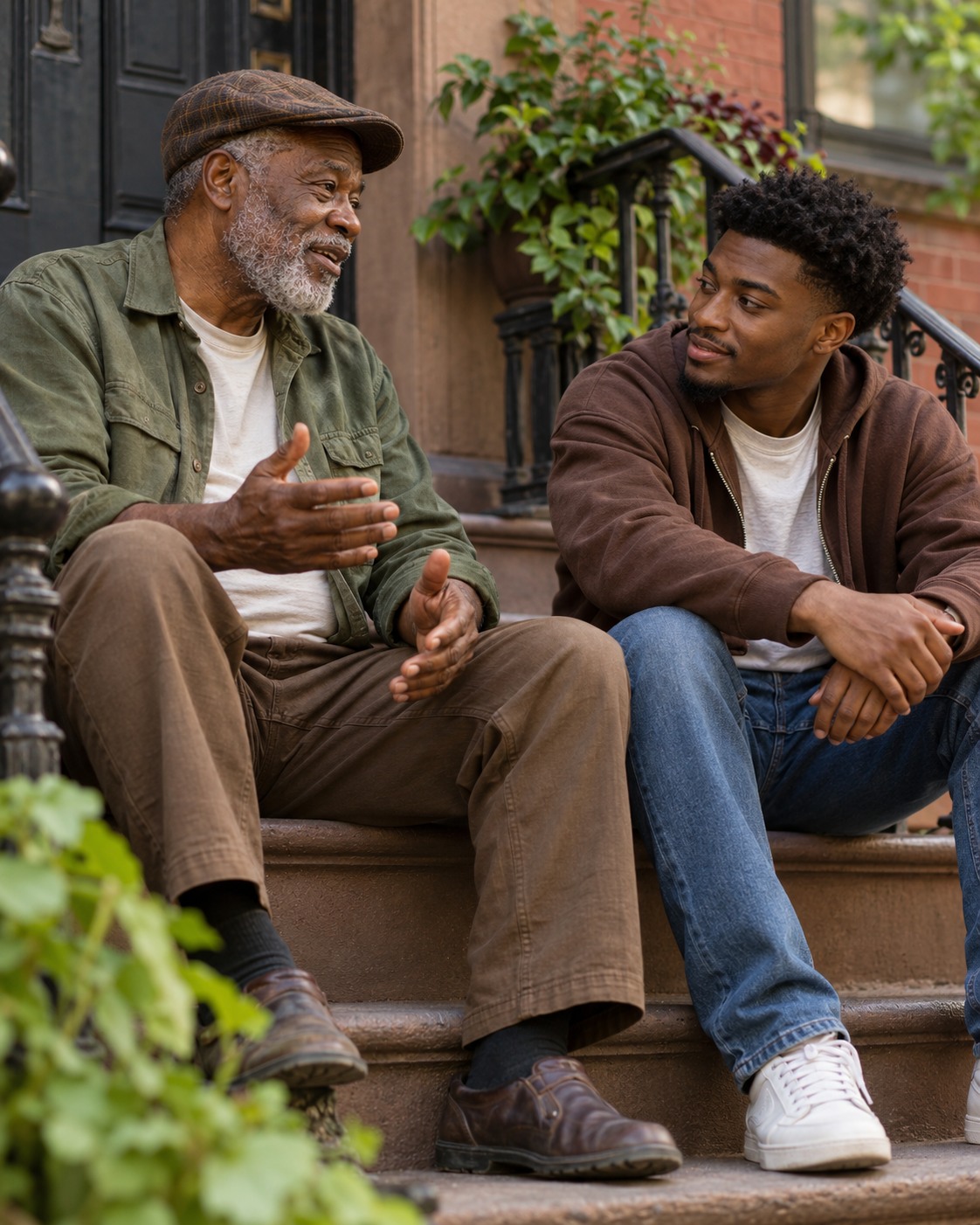
Start with a moment, not your whole life
A useful community story does one job well. It helps a reader understand a choice, a mistake, a small success or a way through an everyday problem. Pick a moment you can explain without a long history of everyone involved. “I learned to organize a task” is a starting point. “We had one afternoon, three volunteers and no shared list” gives the reader something concrete to picture.
Decide whose experience you are describing. If you lived through it, say what you saw and did. If you witnessed it, distinguish your observations from another person’s thoughts. If it is a story someone told you, identify it that way and get permission before presenting their private experience. Do not fill gaps with invented dialogue or turn a guess into a fact.
Choose the reader too. A young person starting a first project may need a different lesson from a parent balancing several commitments. Write for one real need: starting, asking for help, organizing a task or recovering from a setback. You can keep the story short and still make it useful.
Explain what changed your approach
Describe the situation, the decision you made and what happened next. Keep the detail that helps a reader understand the lesson; leave out unrelated disputes and names. A result can be modest. Finding a clearer way to divide a task is worth explaining without turning it into a life-changing success story.
Ask yourself what you would repeat and what you would do differently. A practical lesson includes a boundary. A method that worked with three volunteers may need adapting for a larger group. Explain the setting instead of suggesting your experience proves what everyone should do.
End with something the reader can try: write down the next three tasks, agree who is doing each one or ask one clarifying question before starting. An action is easier to use than a slogan. If there is no safe, clear next step, it is fine to end with a question for reflection.
A short example to work from
HYPOTHETICAL EXAMPLE · NOT A COMMUNITY TESTIMONIAL
Situation: A small neighborhood cleanup had willing volunteers but no agreed starting point.
Change: The group made a list of three tasks and agreed who would handle each one.
Lesson: Willingness helps more when the next task is clear.
Try it: Before the next shared activity, write the first three tasks and check that each person understands their part.
Share the lesson without exposing someone else
Ask before naming, photographing or quoting another person. Permission to attend an activity is different from permission to publish someone’s story. Keep addresses, account details, private messages and information about children out of a public draft. You can describe a useful lesson without identifying the people around it.
When a fact matters, check it. If you recommend a service, use its current official information and say what you personally know. Separate a memory from a documented date or outcome. If a detail remains uncertain, leave it out or label the uncertainty instead of strengthening it for dramatic effect.
Before sharing, read the draft aloud. Check whether the lesson is clear, the people have been treated fairly and the reader has one useful idea to take away. Keep your original draft so corrections can be made later.